
Introduction
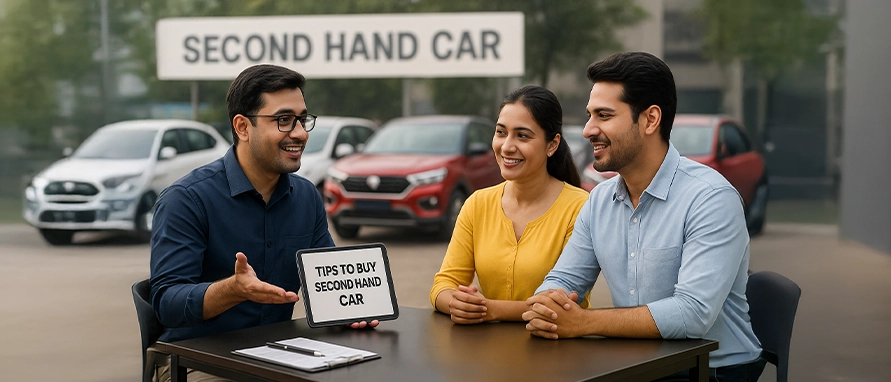
Buying a second-hand car can be one of the smartest financial decisions you ever make—if you do it correctly. Pre-owned cars offer excellent value, slower depreciation, and the ability to buy a higher segment vehicle at a lower price. But the second-hand market is also filled with risks: hidden accidents, tampered odometers, flood-damaged cars, and overpriced vehicles.
A proper inspection can save you from unexpected repair bills and ensure you pay the right amount for the right car. This second-hand car buying guide will walk you through everything you must check before paying, including documentation, mechanical inspection, electrical systems, exterior damage, test drive evaluation, pricing, negotiation, and ownership transfer.
This is a complete, SEO-optimized guide written in simple language for all types of buyers.
Why Buying a Second-Hand Car Requires Proper Inspection
Unlike new cars, used cars have unknown histories. Some may look perfect from the outside but carry serious mechanical issues inside. Others may have been in major accidents or suffered flood damage but repaired cosmetically to look new.
A thorough evaluation helps you:
- Avoid unreliable or unsafe vehicles
- Save money on unnecessary repairs
- Detect fraud or tampering
- Understand true market value
- Negotiate confidently
- Trust your purchase for long-term use
Knowing what to check puts you in full control during the buying process.
Verify the Car’s Documentation
Before looking at the car itself, start by verifying its paperwork. Fake, missing, or suspicious documents are major red flags.
Registration Certificate (RC)
Check if the RC details match the vehicle:
- Owner’s name
- Chassis number
- Engine number
- Fuel type
- Manufacturing year
- Color
Any mismatch should be investigated immediately.
Insurance Papers
A valid insurance policy is essential. Look for:
- Whether it is Third-Party or Comprehensive
- No Claim Bonus (NCB) record
- Previous claims history
If the owner had multiple claims, the car may have suffered repeated damage.
Service History
Always ask for service records. A properly maintained car will have:
- Regular servicing stamps
- Authorized service center records
- Details of major repairs
- Odometer readings at each service
A car with no service history should be approached with caution.
Pollution Certificate (PUC)
Check if the PUC certificate is valid and up to date.
Loan or Hypothecation Status
If the car was purchased on loan, check if hypothecation is removed. The RC should show “Hypothecation Removed” if loan is fully paid.
Challan History
Search online for pending challans using the vehicle number. Hidden challans could cause legal troubles later.
Check the Car’s Exterior Condition
The body of the car reveals much more than just cosmetic appearance. It tells you about past accidents, repairs, repaint jobs, and overall maintenance.
Body Panels
Inspect all panels closely:
- Do they line up evenly?
- Are there any gaps or misalignment?
- Is one panel’s color slightly different from the others?
Uneven paint or misaligned panels indicate accident repairs.
Paint Quality
Look for rough patches, overspray, or dents. Tap lightly on panels—metal parts sound different than plastic filler. Roughness or inconsistent texture may suggest bodywork repairs.
Tires
Check the condition of the tires:
- Tread depth
- Wear pattern
- Uneven wear indicates alignment or suspension issues
Premium cars should ideally have all four tires of the same brand and similar age.
Glass and Lights
Check for cracks, scratches, and fogging in:
- Windscreen
- Side windows
- Headlamps
- Tail lamps
Replacing cracked glass or lamps can be expensive.
Underbody
If possible, inspect the underbody:
- Rust
- Oil leaks
- Structural damage
Severe underbody rust is a sign of flood exposure or poor upkeep.
Inspect the Interior and Cabin Features
The interior condition reflects how carefully the owner treated the car.
Seats and Upholstery
Check:
- Leather cracks
- Fabric stains
- Sagging seat cushions
- Functionality of seat adjustments
Excessive wear on seats indicates high usage even if odometer readings look low.
Dashboard and Controls
Test all controls on the dashboard:
- AC and heater
- Infotainment system
- All buttons and switches
- Rear-view mirrors
- Cabin lights
Electrical issues can be costly to repair.
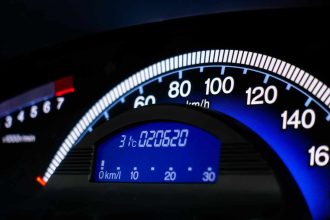
Instrument Cluster
Turn on the ignition and ensure all lights and indicators function properly. Warning lights like ABS, airbag, or check engine should not stay on.
Odor
A damp or moldy smell may indicate water leakage or flood damage.
Check the Engine and Mechanical Components
This is the most important part of second-hand car inspection. Even a small engine issue can become a massive expense.
Engine Oil
Pull out the dipstick. The oil should be:
- Clear
- Not too dark or gritty
- At correct level
Very black, thick oil means overdue service.
Coolant
Check coolant color inside the reservoir. It should be bright (green, blue, or orange depending on type). Brown coolant means rust contamination.
Battery
Examine battery condition:
- Check date of manufacture
- Look for corrosion on terminals
- Ensure voltage is stable
Most batteries last 3–5 years.
Belts and Hoses
Inspect for cracks, looseness, or dryness. Replacing worn belts is not costly but failure can cause breakdowns.
Exhaust Smoke
Start the engine and observe:
- Blue smoke = Oil burning
- White smoke = Coolant leak
- Black smoke = Excess fuel
The ideal exhaust is barely visible.
Test Drive: The Most Crucial Step
Never buy a car without driving it personally. A test drive reveals hidden issues that visual inspection cannot.
Engine Behavior
During the test drive, check if:
- Engine starts smoothly
- Idle is stable
- There are knocking or rattling noises
- Acceleration is smooth without hesitation
Steering and Handling
Ensure:
- Steering is not too tight or too loose
- Car drives straight without pulling
- Vibrations are minimal
Pulling to one side indicates alignment or suspension issues.
Suspension
Drive on bumps or uneven roads:
- Excessive bounce means worn-out shock absorbers
- Knocking sound indicates suspension damage
Transmission
For manual cars:
- Gear shifts should be smooth
- No grinding sound
- Clutch should not be too hard or high
For automatic cars:
- Gear shifts should be seamless
- No jerks during acceleration
Brakes
Test brakes at different speeds:
- Car should stop in a straight line
- No grinding or squealing noises
- Pedal should not vibrate
Shaky steering during braking indicates warped brake discs.
Odometer Fraud: What to Watch Out For
Odometer tampering is common in the used car market. Sellers often reduce kilometers to increase car value.
Signs of Odometer Tampering
- Worn pedals with low mileage readings
- Faded steering wheel
- Outdated service records
- Inconsistent mileage between service visits
- Digital displays showing uneven brightness
Always compare the odometer reading with service records.
Check for Flood Damage and Accidents
Flood-damaged and accident-repaired cars may look normal but often have long-term reliability issues.
Flood Damage Signs
- Mud under carpet or seats
- Rust on seat rails
- Electrical issues
- Strange smell
- Corroded battery and fuses
Accident Damage Signs
- Mismatched paint
- Weld marks on the frame
- Replacement of airbags
- Poor panel alignment
A professional mechanic can identify serious damage quickly.
Price Evaluation and Negotiation
Once the inspection is complete, estimate the fair price.
How to Determine the Real Value
- Compare similar models on used car websites
- Check year of manufacture
- Evaluate condition and service history
- Consider upcoming maintenance costs (tyres, battery, brakes)
Negotiation Tips
- Start lower than the asking price
- Use repair costs as negotiation points
- Be ready to walk away if seller refuses
- Have a mechanic’s report to support your offer
Never rush the negotiation. Second-hand cars always have room for price reduction.
Final Checklist Before Paying
Make sure everything is in order before giving payment:
- RC original copy available
- Insurance valid and transferred
- No pending loans
- No challans or legal issues
- Keys (main + spare) available
- Signed Form 29 and 30 for ownership transfer
- Service book and manuals included
Conclusion
Buying a second-hand car can be an excellent financial decision, but only if you follow the right inspection steps. A used car is not just about its looks—it’s about its mechanical health, documentation, safety condition, and long-term reliability.
By checking the paperwork, inspecting the exterior and interior, evaluating the engine, taking a proper test drive, and confirming price accuracy, you reduce the risk of buying a problematic vehicle. With patience and the right knowledge, you can find a reliable, well-maintained car that fits your budget and offers long-term satisfaction.