

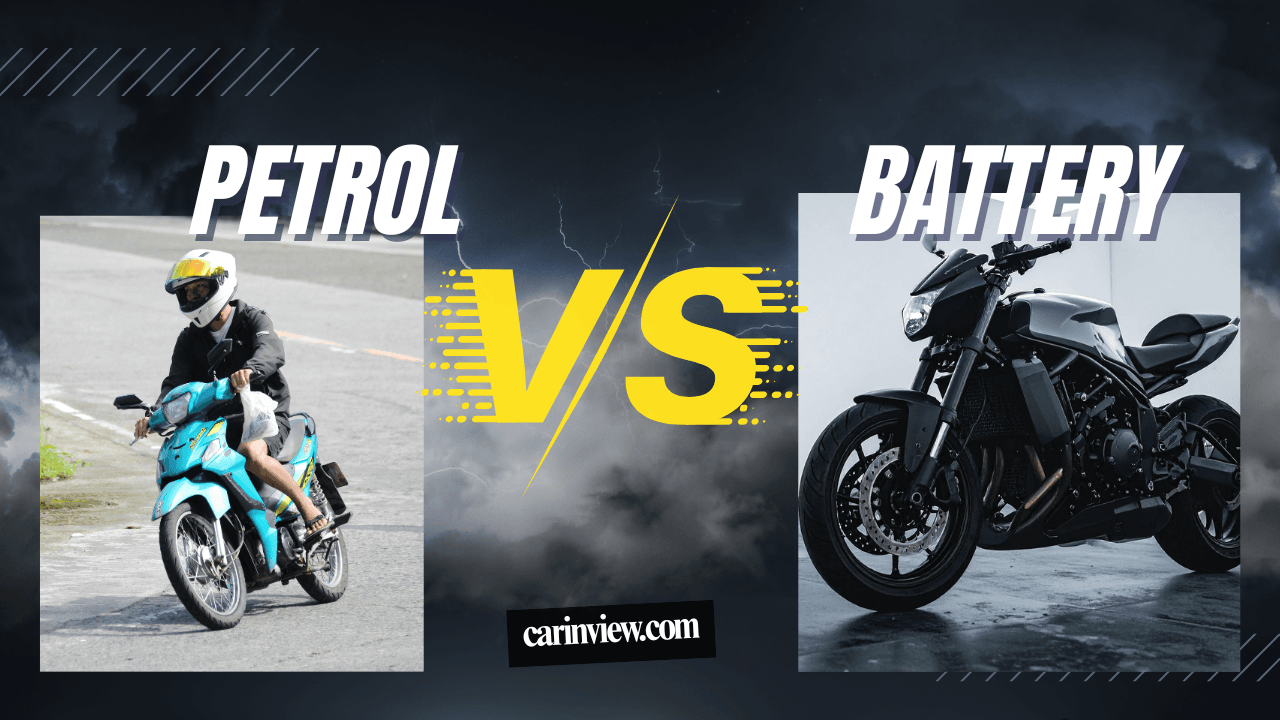
I have spent the last 10,000 kilometres riding two very different motorcycles. One is a regular petrol bike that most Indian riders would find familiar. The other is an electric motorcycle that represents where things are slowly heading. Same rider, similar routes, similar usage, but very different ownership experiences.
This is not a spec-sheet comparison or a showroom first impression. This is about what actually changes in your life after months of riding, refuelling or charging, servicing, and living with each bike every single day.
If you are confused between petrol and electric bikes, this kind of comparison matters far more than launch-day reviews.
How the 10,000 km were ridden
Before comparing costs or performance, context is important.
Most of these kilometres were ridden in real conditions:
Daily office commuting
City traffic with frequent stops
Occasional highway rides
Bad roads, speed breakers, rain, heat
This is how most people actually ride in India. No ideal test loops, no perfect roads.
Day one feeling versus long-term reality
When you buy a petrol bike, the experience is familiar. The engine sound, clutch feel, gear changes, refuelling. There is comfort in that familiarity. Nothing feels strange.
With an electric bike, the first few days feel unusual. No engine sound. No gears. Just twist and go. The instant torque feels exciting at first, almost like cheating traffic signals.
After 10,000 km, something interesting happens. The electric bike starts feeling normal, and the petrol bike starts feeling noisy and slightly tiring. That switch in perception surprised me.
Fuel versus charging cost after 10,000 km
This is where the difference becomes impossible to ignore.
The petrol bike averaged decent mileage, nothing extraordinary. Over 10,000 km, fuel expenses quietly added up. You feel it in small amounts, but over time it becomes a large number.
The electric bike was charged mostly at home. A few public charging sessions here and there, but home charging did most of the work. Electricity bills increased slightly, but nowhere close to fuel costs.
After 10,000 km, the electric bike cost a fraction to run compared to petrol. The difference was big enough to notice without calculating spreadsheets.
Running cost is the strongest argument in favour of electric bikes. It is not marketing talk. It shows up clearly in real life.
Maintenance and service experience
Petrol bikes demand regular attention. Oil changes, filter replacements, chain maintenance, clutch adjustments, vibration checks. None of these are expensive individually, but they are frequent.
By 10,000 km, the petrol bike had gone through multiple service visits. Some were routine, some were small issues like rough idling or brake adjustments. Nothing major, but time and effort were involved.
The electric bike was simpler. No oil. No clutch. No gearbox. Fewer moving parts. Most service visits were inspection-based rather than repair-based.
This does not mean electric bikes are maintenance-free. They still need brake checks, suspension inspections, tyre replacements. But overall, the workload is lower.
The biggest relief is not cost, it is mental peace. You think less about servicing with an electric bike.
Performance in daily riding
In city traffic, electric bikes feel effortless. Instant torque makes overtakes easy. Stop-and-go traffic becomes smoother. No clutch hand fatigue. No gear hunting.
Petrol bikes still feel engaging, especially on open roads. The sound, the rev build-up, the mechanical feel are satisfying. On highways, petrol bikes feel more relaxed for longer stretches, especially when cruising at higher speeds.
After 10,000 km, the conclusion is simple:
Electric bikes are better in the city
Petrol bikes are still better for long, fast highway riding
That gap is narrowing, but it still exists.
Range anxiety versus fuel anxiety
Petrol bikes never make you think about range. Fuel stations are everywhere. You ride until the warning light comes on and refill.
Electric bikes change how you think. You become more aware of distance. You plan rides slightly better. You check battery percentage more often in the beginning.
After a few months, that anxiety fades. You understand your bike’s real-world range. You stop checking constantly. It becomes routine.
The key factor is charging access. With home charging, electric bike ownership feels easy. Without it, petrol still feels safer.
Riding comfort and fatigue
This part surprised me.
Electric bikes are quieter and smoother. No engine vibration. No heat around the legs. After long city rides, you feel less tired.
Petrol bikes generate heat, especially in traffic. Engine vibration creeps in after long rides. You do not notice it immediately, but after 10,000 km, the difference becomes clear.
On highways, petrol bikes still feel more natural because of sustained power delivery and higher cruising comfort. Electric bikes are improving, but battery drain at high speeds remains a limitation.
Reliability and trust factor
Petrol technology is mature. Everyone knows how it behaves. Any mechanic can fix small issues. Parts are easily available.
Electric bikes rely more on electronics, software, and battery management systems. Reliability depends heavily on the manufacturer’s quality and service support.
Over 10,000 km, the electric bike remained reliable, but peace of mind still depends on brand support. This is where petrol bikes still have an advantage, especially in smaller towns.
Resale value after usage
Petrol bikes have predictable resale value. Buyers understand mileage, condition, and service history.
Electric bike resale is still evolving. Buyers ask about battery health, warranty status, and charging habits. This makes resale slightly uncertain today.
That said, as electric adoption increases, resale confidence will improve. It is a transition phase, not a permanent drawback.
Emotional connection
This is subjective, but important.
Petrol bikes feel alive. The sound, vibration, gear shifts create a bond for many riders. Enthusiasts still prefer this experience.
Electric bikes feel efficient and modern. They do not stir emotions the same way yet, but they grow on you through convenience and ease.
After 10,000 km, the electric bike felt like a reliable companion. The petrol bike felt like a familiar friend. Both connections are real, just different.
The honest verdict after 10,000 km
There is no single winner for everyone.
If your riding is mostly city-based, daily commuting, predictable distances, and you have home charging, an electric bike makes strong sense. Lower running cost, lower maintenance, quieter rides, and less fatigue add up quickly.
If your riding involves long highway trips, unpredictable routes, or you value mechanical feel and refuelling convenience, petrol bikes still fit better.
The most important takeaway after 10,000 km is this:
Electric bikes are no longer experiments. They are practical tools for many riders today.
Petrol bikes are still versatile and emotionally engaging, but they are no longer the default best choice for everyone.
The decision depends less on technology and more on how you actually ride.