

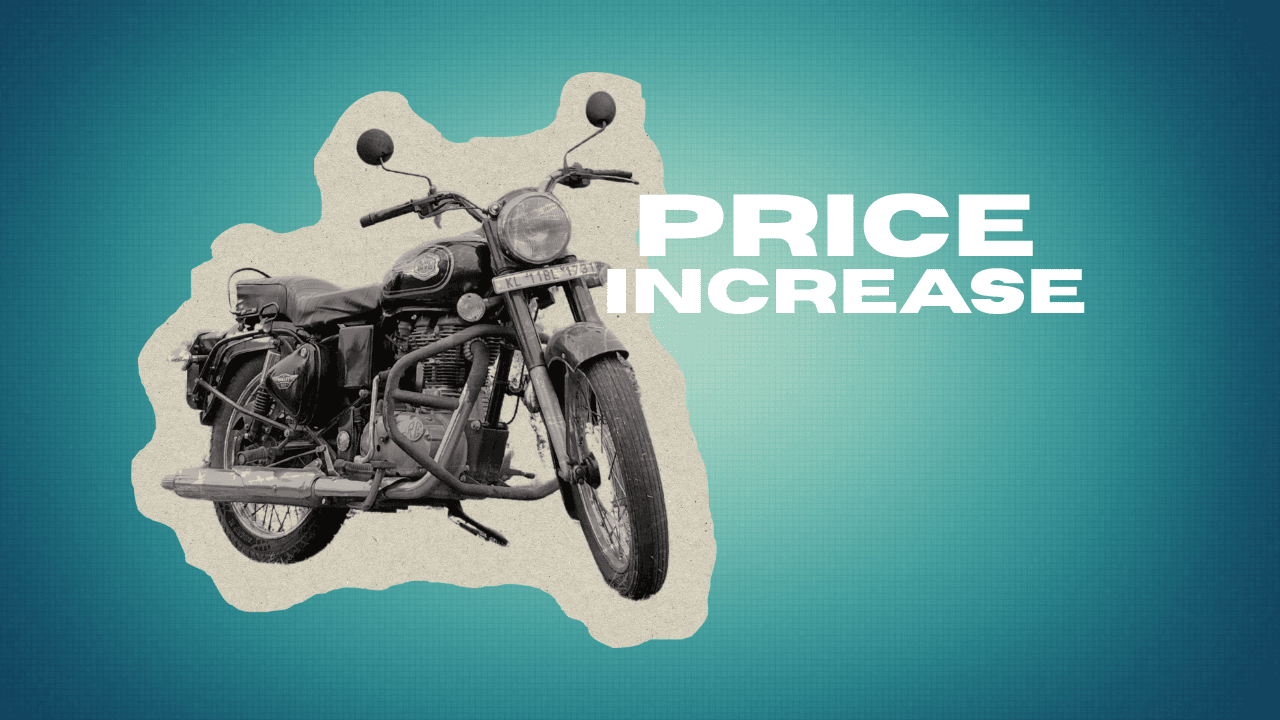
If you buy motorcycles regularly or watch prices closely, one thing becomes clear: every year, bikes feel more expensive than they used to. Even models that were considered affordable a few years back now cost noticeably more.
This isn’t just about inflation or fuel price noise. There are real shifts happening that affect every bike on the road — from the smallest 100cc commuter to middleweight machines and performance bikes.
Let’s talk about why this is happening in a simple, real-world way.
1. Material and manufacturing costs have gone up
The biggest reason nobody likes talking about is also the most basic one: making bikes is getting more expensive.
Steel, aluminum, rubber, wiring, plastics, paint — every raw material used in a motorcycle has seen price increases in recent years. Even when markets cool down, basic materials don’t go back to the old low prices. Smaller producers and big manufacturers alike can’t ignore that.
It’s not just the metal either. Electronics, sensors, wiring harnesses, switches and digital displays all cost more than they did before. A little infotainment screen in an entry-level motorcycle costs far more today because the chip shortages and global supply disruptions pushed prices up and kept them there.
When the cost of making a bike goes up, you feel it in the showroom price.
2. Engines and tech are not basic anymore
Ten or fifteen years ago, a small commuter motorcycle was just a frame, a simple engine, a few cables and a headlight. Things have changed since then.
Today even the most basic bikes offer:
- digital instrument clusters
- LED lights
- fuel-injected engines instead of carburettors
- modern braking systems
- stricter emission controls
All of this costs money. Even if you don’t ask for flashy features, the regulatory environment and customer expectations push manufacturers to include tech that costs more to produce.
So bikes that used to be simple and cheap now have more technology — and technology adds cost.
3. Stricter emission norms mean costlier engines
Emission rules in India have steadily tightened over the years. Moving from BS3 to BS4 to BS6 and now discussions about future standards means manufacturers must redesign engines more often.
Emission-friendly engines require better fuel management systems, tighter tolerances, more sophisticated exhaust systems, and sometimes additional hardware like catalytic converters. All of these add parts and complexity.
The average consumer doesn’t see these technical details, but they feel the difference in price.
4. Safety norms are improving
Safety is no longer optional in a passenger vehicle. Buyers, regulators and safety advocates all want better brakes, better lighting, and stability electronics even on bikes. In recent years we have seen more motorcycles — even in affordable segments — getting features like:
- dual-channel ABS
- better brakes and tyre combinations
- improved lighting systems
- stronger chassis design
These aren’t back-street modifications — these are standards that have to be met. Adding safety hardware increases production costs, and that gets reflected in the final selling price.
Safety wasn’t a big cost component a decade ago. Today it’s one of the major factors influencing price.
5. Global supply chain disruption still hasn’t healed
You might remember when global semiconductor shortages and logistics issues made headlines. A lot of that noise died down, but the effects haven’t disappeared.
Today’s bike industry still feels the impact of:
- longer lead times for imported components
- higher shipping costs
- uncertainty in supply planning
- less buffer in inventory
Manufacturers don’t want to run out of parts mid-production, so they often buy chips or components early at higher costs to avoid disruption. That safety buffer costs money, and again, it gets passed on to buyers.
It’s not glamourous, and it’s not obvious, but it’s real.
6. Exchange rates affect pricing
Even though most motorcycles sold in India are locally manufactured, a surprising number of parts are imported — especially in modern bikes that have digital systems, electronics and advanced braking gear.
When the Indian rupee weakens against the dollar or euro, import costs increase. Manufacturers might absorb small fluctuations for a while, but larger swings eventually force price adjustments.
You don’t see this as a separate line item, but when you walk into a showroom and see a price that feels higher compared to last year, part of that difference often comes from currency movements.
7. Buyer expectations have changed
This one is important and often overlooked.
Ten or fifteen years ago, buyers were happy with simple features. Comfort, lights, basic meters — that was enough. Today buyers want more:
- Bluetooth connectivity
- navigation
- ride modes
- slipper clutches
- digital displays
- USB charging
Manufacturers respond to buyer expectations, but none of these extras are free to add. When the “standard” for a new bike includes features that used to be optional, average prices go up.
This isn’t just about bells and whistles. These are features that improve convenience, safety and long-term desirability. But they still add to the bill.
8. Costs of research and development are rising
You don’t see this directly as a buyer, but companies spend a lot more money today on:
- designing new models
- crash testing
- emissions compliance
- rider safety research
- engine efficiency tuning
- software development
Bike companies can no longer just tweak an old design forever. Customers expect fresh styling, updated engines and modern tech every few years.
Investing in research and development adds cost to each bike sold. That cost is spread across every unit, which means incremental price increases even for mass-market models.
9. Dealer costs and logistics
It’s easy to ignore showrooms when you think about pricing, but dealerships and logistics are part of the equation.
Transporting bikes from factory to showroom, maintaining inventory, showroom staffing, training service personnel, extended warranty plans, test-ride support — all of this is part of the sales ecosystem.
Some manufacturers charge extra handling fees, and some dealers add accessories or insurance costs bundled into the on-road price.
These are not always directly under the manufacturer’s control, but they affect the final amount you pay.
10. Bikes are not just commuter machines anymore
In the last decade, motorcycling in India has changed. It used to be that “bike” meant a commuter machine first. Today it means many things:
- daily commuter
- touring machine
- adventure bike
- performance ride
- lifestyle choice
The industry has responded by offering a wider range of products with better quality, refinement and performance. This evolution doesn’t come cheap.
Even relatively affordable bikes today have better build quality, better engines and better finishing than most bikes did ten years ago. All of that quality costs money to produce.
So how does this affect you as a buyer?
If you are planning to buy a bike soon, here’s what it means:
Prices will continue creeping up as regulations tighten and technology becomes more complex. That doesn’t mean bikes are becoming worse value — in many cases they are actually better products than before. It just means the cost of making and selling them has increased across the board.
For buyers, it helps to focus less on the list price alone and more on total value — how much it actually costs to run, maintain, and enjoy the bike over years of ownership.
In other words, don’t look at price in isolation. Look at what you get for it.
The bottom line
Motorcycles are getting more expensive not because any single company wants to charge more, but because the entire environment in which bikes are made, tested and sold has changed significantly.
Higher raw material prices, better technology, tougher emission and safety norms, global supply challenges, stronger currencies, and changing buyer expectations all play a role.
If you think about bikes today as better engineered, safer, more refined and more capable than ever before, the pricing reflects that evolution. That doesn’t make it easier to pay for, but it does explain why the trend exists.