

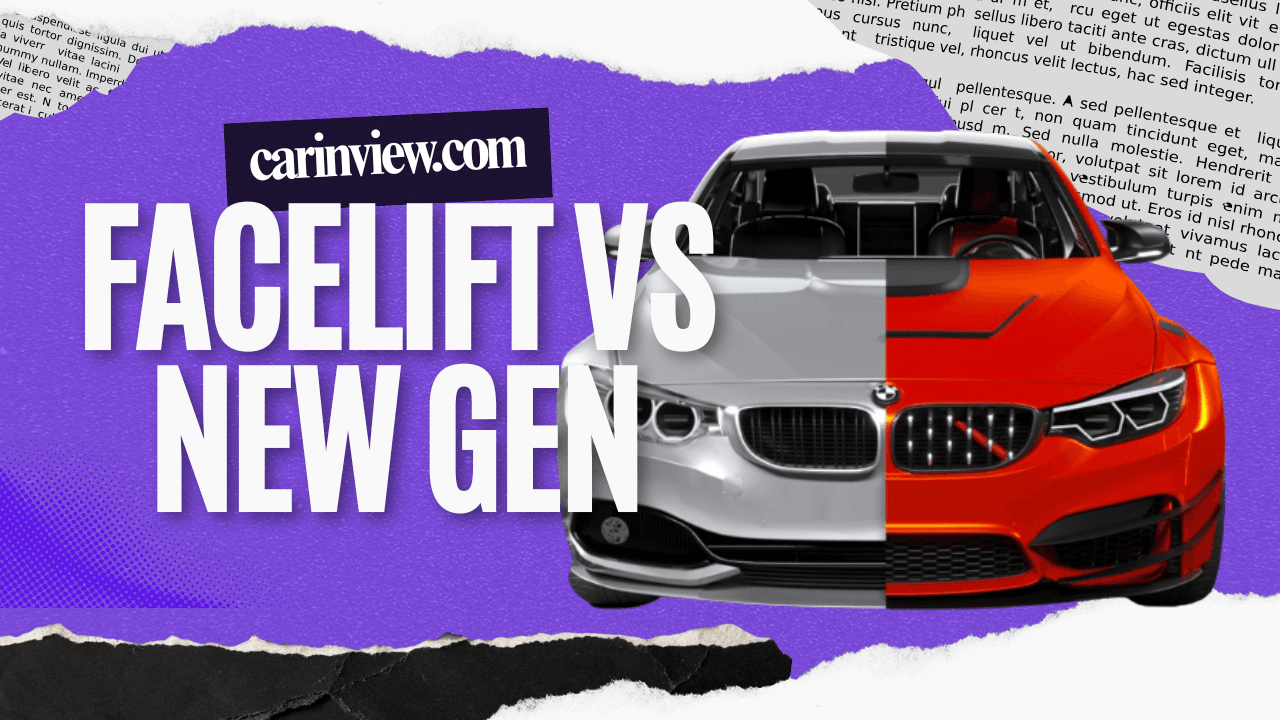
If you follow car launches in India even casually, you might have noticed something interesting: 2026 is shaping up to be a year of big refreshes and even bigger product overhauls. Some cars are getting facelifts, which means they look newer and get some extra features, while others are moving to an entirely new generation with all-round upgrades.
The confusing part for buyers is this: should you wait for the shiny new version, or go for the refreshed model now? It’s a question many car buyers are asking, and the answer is not always straightforward.
Let’s break it down in a way that feels like one car enthusiast talking to another, so you can make a smart choice when planning your next purchase.
What “Facelift” Really Means
A facelift is like a mid-life refresh. The car is fundamentally the same underneath, but gets:
- Updated exterior styling
- Slight changes in front and rear design
- New or larger infotainment screens
- Some added features or safety tech
- Sometimes minor engine tweaks
The key point is that the core platform, engine and driving characteristics remain largely unchanged. Think of it as a model that’s been polished and modernised, not reinvented.
Facelifts are usually quicker and cheaper for manufacturers, which means these updated models often arrive sooner than completely new generations.
What “New Generation” Means
When a car moves to the next generation, it’s a much bigger step. It usually involves:
- A new platform
- Improved driving dynamics
- Better safety and structural improvements
- Newer engines or electrified powertrains
- More advanced tech and interior quality
In simple words, it’s not just a facelift — it’s a ground-up evolution.
New generation models take longer to develop and cost more to produce, so they often hit the market later than facelifted versions.
Why This Matters for Your Decision
If you’re planning to buy soon, you don’t want to regret your choice when a far superior version arrives just weeks later. But waiting for something that’s still months away doesn’t make sense either if your current car is failing you.
Here’s how to think about it.
When a Facelift Is Worth It
A facelift makes sense when:
- The current generation is still strong and popular
- It gets meaningful updates (better screens, safety, comfort)
- You need a car now or soon
- The price improvement over the old version is reasonable
In these cases, you essentially get a nearly “newer” car without waiting too long.
Examples in 2026 include models like:
- Updated hatchbacks that get modern tech but keep proven engines
- SUVs that only had minor design tweaks before
- Cars where running costs and reliability are priorities
Facelifts give you a solid, familiar product with improvements that matter in day-to-day life.
When a New Generation Is Worth Waiting For
Some upgrades are so significant that waiting becomes a smarter choice. A new generation car usually means:
Better Safety
A completely new platform is often stronger and scores better in crash tests. This can matter hugely if safety is a priority for your family.
Modern Tech & Connectivity
True next-generation models tend to bring new infotainment systems, connected car features, and digital instrument clusters that feel fresh rather than just “larger”.
Improved Performance & Efficiency
New engines, better fuel economy, and refined handling can make the driving experience genuinely better.
Long-Term Value
New generation cars often retain value better in the used car market because they feel “latest tech”, even years later.
Examples in 2026 where this might apply:
- Hatchbacks moving to new platforms
- Compact SUVs that are completely redesigned
- EVs getting next-level range or charging tech
If the improvements are clearly future-looking rather than just cosmetic, waiting usually pays off.
A Simple Rule to Decide
Here’s a straightforward way to think about it:
Choose facelift if:
- You need a car soon
- The update adds useful features
- The price increase is small
- The current model still holds up well
Wait for new generation if:
- The changes are major (new platform, better safety, new powertrain)
- The value difference is clear
- You can afford to wait a few extra months
- The car you want will be significantly better
Examples That Illustrate the Difference
Here’s a more real-world look at how this plays out in 2026:
Scenario 1: Hatchback Buyer
If a popular hatchback gets a facelift with only a bigger screen and some minor tweaks, buying it won’t feel outdated. But if the next generation promises a brand new platform with better safety and a more efficient engine, waiting might be better.
Scenario 2: SUV Shopper
In the SUV segment, many cars are seeing both facelifts and next-generation launches. If you want a mid-sized SUV now for family use, a facelifted version might be perfectly capable. But if the new generation promises better ride comfort, more features and improved safety, patience could pay off.
Scenario 3: EV Enthusiast
For electric vehicles, new generations matter even more. Batteries improve quickly, and range gains are real. A facelift on an older EV might not be as relevant as a next-gen EV with longer range and faster charging capabilities.
Why Some Buyers Regret Waiting Too Long
It’s worth pointing out that waiting for the perfect car can sometimes backfire. If you delay too long:
- Your current car might spend more on maintenance
- Fuel and service costs could go up
- You might miss out on improved safety or features today
So the key is balance. Don’t chase perfection if the current option is already a significant upgrade over your existing car.
Why Some Buyers Buy Facelift Models Too Early
On the flip side, some buyers rush into a facelift model only to feel disappointed when a truly new generation arrives shortly after. This usually happens when:
- The facelift does not address core weaknesses
- The new generation includes major improvements
- The difference between facelift and next-gen was understated by dealerships
To avoid this, do a quick comparison between expected new generation spec and what the facelift offers. If the gap feels wide, it usually makes sense to wait.
Final Thoughts
Deciding between a facelift and a new generation car is really about timing and priorities. Some upgrades are superficial, while others redefine the car altogether. You should think about what matters to you most — convenience now, or a better overall car later.
In 2026, several models in India will be at this crossroads. Some facelifted cars will arrive quickly with meaningful updates that make them worth buying soon. Others will be part of next-generation lineups that could be game changers.
The smart move is to look beyond the surface and understand what each version actually brings to your daily life. That’s the best way to ensure you don’t regret your choice later.