

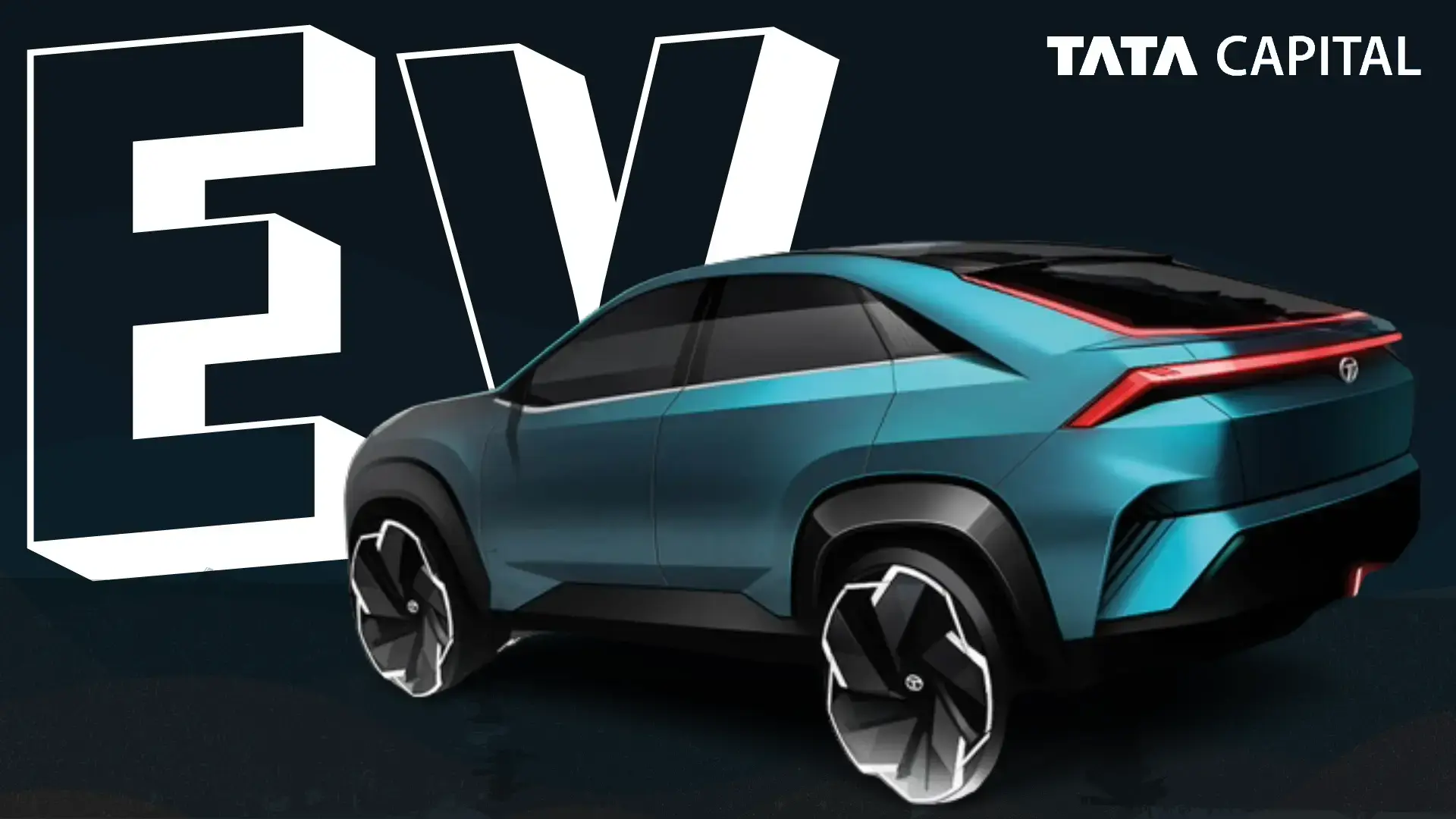
If there’s one thing that’s clear in India’s auto world right now, it’s this: Tata Motors is not holding back. Over the past couple of years, the company has quietly built the largest lineup of electric cars in the country. The buzz around EVs used to be about one or two models now it’s about whole families of cars. And 2026 looks like the year when things really begin to take shape.
In the next 12 months, Tata Motors is expected to launch several new electric vehicles, each targeting a slightly different type of buyer. Some will be affordable city runabouts, others might challenge global EVs on range and tech. For buyers who want a future-ready car without paying a premium, these upcoming EVs are shaping up to be exciting.
I’m going to walk you through what’s coming, why it matters, and what you can realistically expect from each model.
What’s Changed in the Indian EV Scene
Before we jump into the specific cars, it helps to look at the bigger picture. Electric vehicles are no longer a fringe idea in India. More people are genuinely considering them, not just for environmental reasons, but because the numbers finally make sense. Charging costs are lower than fuel, maintenance is simpler, and range anxiety is gradually fading thanks to better batteries and more charging stations.
Tata Motors has realised that too. They were early movers with models like the Nexon EV and Tigor EV, and now they’re ready to go deeper offering more choices and more features than before.
1. Tata Tiago EV (Next-Gen)
There’s a strong possibility that Tata might finally introduce an all-new Tiago EV. The regular Tiago petrol has always been one of the most popular hatchbacks in India. An electric version would be a logical next step.
What’s interesting here is that this would not be just a converted petrol car. From the testing we’ve seen and industry whispers, the Tiago EV could have:
- A reasonably long range (250–300 km) on a single charge
- A battery pack that’s good for city use and short highway runs
- A modern interior with connected features
- A price that keeps it affordable in the compact EV segment
If Tata gets the pricing right, the Tiago EV could be the electric car version of the old Maruti 800 a mass-market ride that normal people can afford.
Launch window: Early to mid 2026
2. New Tata Punch EV Variant (More Range)
The Punch EV is already on the road, but Tata isn’t likely to stop with a single version. Expect a new variant with either:
- Improved range, or
- Faster charging capability
The current Punch EV is a nice little city car, but range is an area where competitors are catching up. If Tata can stretch that battery to something beyond 350 km in real conditions, it could suddenly do more than just local trips think weekend drives without constant charging stops.
Tata may also offer new colors and interior improvements to make this refresh feel genuinely new.
Launch window: Mid 2026
3. Tata Curvv EV
This one has been on enthusiasts’ minds for a while. The Curvv EV is shaping up to be Tata’s first real shot at a premium electric SUV coupé-like vehicle in India. It’s expected to be bigger than the Nexon EV and possibly come with:
- A dual motor AWD version
- A bigger battery with 400+ km range
- Advanced driver-assist features
- A more upscale interior
This could be a major turning point for Tata, a car that’s not just practical, but genuinely exciting to drive. If the pricing stays competitive, the Curvv EV might attract buyers who were waiting on the sidelines for an Indian brand EV that felt more premium.
Launch window: Late 2026
4. Tata Harrier EV (Prototype Rumours)
Now this one is more speculative, but worth mentioning because of recent spy shots and industry chatter. Rumours suggest Tata is working on an electric version of the Harrier SUV its biggest and most road-dominant model.
If it arrives, this EV could be a game changer:
- Three-row seating might be an option
- A massive battery pack and touring range
- Higher power output for comfortable highway cruising
- Fast charging that rivals even imported EVs
This would probably be Tata’s flagship electric offering focused more on SUVs and lifestyle buyers than entry-level.
Launch window: Possibly late 2026, but this one could spill into early 2027
5. Electric MPV (Speculative Future Project)
There’s also talk of Tata exploring an EV version of a multi-purpose vehicle (MPV), something that families could use for school runs, travel, and daily chores all in one. India loves MPVs, and an EV version with enough range and space could be a real hit.
Features that might show up here include:
- Flexible seating
- Large battery for longer family trips
- Comfort features like panoramic sunroof and premium sound
- Safety technology that meets global standards
This one is more future-looking than confirmed, but if Tata is serious about electrifying every segment, an EV MPV makes strategic sense.
Launch window: Probably late 2026 or early 2027 (tentative)
What Tata Motors Is Focusing On
Across all these upcoming EVs, a few trends become clear:
1. Better Range for Real Roads
No one wants a car that’s only good around town. Tata seems serious about delivering real-world range numbers that take away anxiety.
2. Affordability
They’re not just chasing high-end buyers. Tata seems committed to keeping prices reasonable crucial for India’s middle class.
3. Charging Convenience
Faster charging and smarter battery management systems will be part of the new generation especially as public charging stations spread more widely.
4. Tech That Matters
Infotainment systems, connected features, and driver assist are no longer luxury items. They’re expected features, and Tata appears ready to deliver.
What This Means for Buyers
If you’re thinking about going electric in the next year or so, Tata’s upcoming lineup gives you real options. Instead of waiting for one perfect car, you might find:
- A city-friendly EV for everyday use
- A longer-range SUV for weekend trips
- A premium electric cruiser for daily comfort
- Maybe even a family EV with multiple seating rows
The shift isn’t coming — it’s already started.
Final Thoughts
Over the next 12 months, Tata Motors is shaping up to change India’s EV landscape in a way that feels both natural and bold. They’re building cars people can afford, features people actually use, and range that removes a lot of the old hesitation around electric vehicles.
If you’re thinking about buying an EV soon, it’s not a bad idea to keep an eye on these launches. Some of the most talked-about cars in the country could be yours without having to stretch your budget too far.
When the first official pricing and launch dates come out, we’ll know more but even now, you can feel the energy: electric cars are becoming a real everyday choice in India, not just an aspirational one.