

Introduction
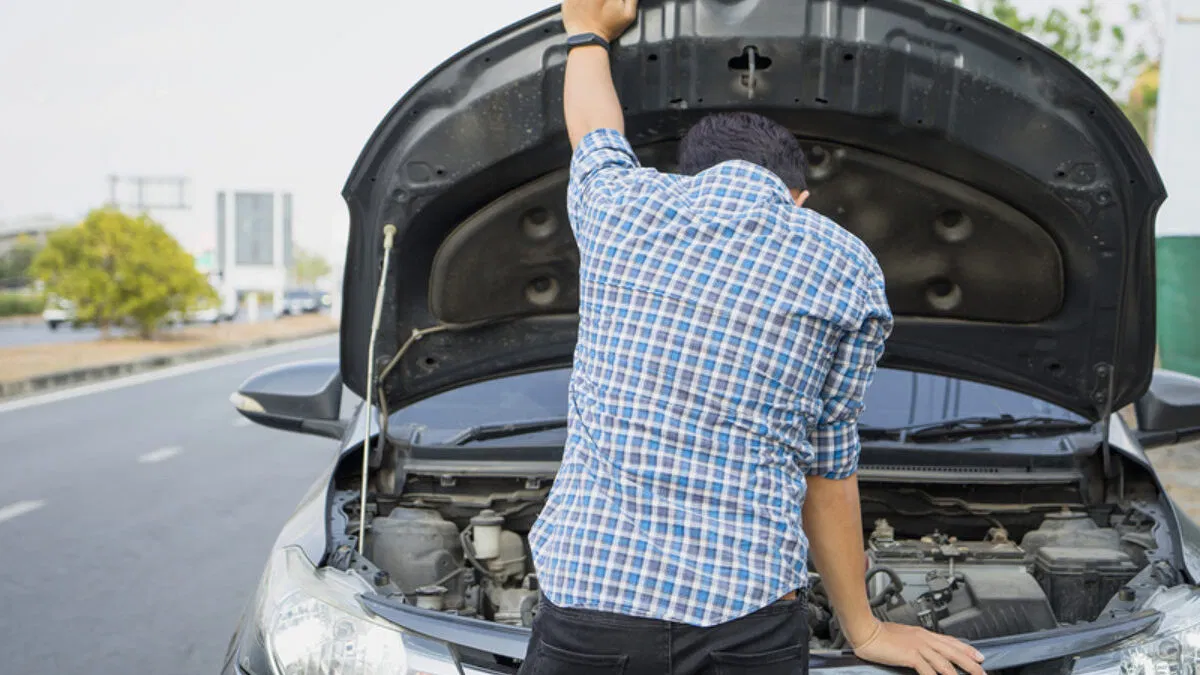
Every car owner eventually deals with small mechanical issues that can be frustrating, especially when they happen unexpectedly. While some problems require a mechanic’s expertise, many common car issues can be diagnosed and fixed at home with basic tools and a little understanding. Learning these simple fixes not only saves time and money but also helps you maintain your car more confidently.
This guide explains the five most common car problems and provides easy, at-home solutions suitable for beginners. These troubleshooting methods are safe, practical, and effective if followed carefully.
Dead Battery or Weak Battery
A dead or weak battery is one of the most frequent reasons a car refuses to start. Batteries naturally lose capacity over time, especially under extreme temperatures.
Symptoms
- Engine cranks slowly or not at all
- Dashboard lights appear dim
- Clicking sound when turning the key
- Warning light for battery or charging system
How to Fix It at Home
1. Jump-Start the Car
A jump-start using jumper cables and another vehicle is the quickest solution.
Steps:
- Park the helper car close enough for cables to reach.
- Connect red cable to positive terminals of both batteries.
- Connect black cable to the donor car’s negative terminal and the other end to an unpainted metal surface on your car.
- Start the helper car, then your car.
Once started, let your engine run for at least 20 minutes to recharge the battery.
2. Clean Battery Terminals
Corroded terminals can cause poor electrical contact.
Steps:
- Disconnect the battery terminals.
- Clean with baking soda and water.
- Dry and reconnect tightly.
3. Check for Loose Cables
Tighten loose clamps or connectors using a wrench.
If the battery repeatedly dies, it may be time for a replacement.

Flat Tyre or Low Tyre Pressure
Tyres naturally lose air over time. Punctures, leaks, and low pressure are extremely common issues for all drivers.
Symptoms
- Car pulls to one side
- Steering feels heavy
- Visible sagging of tyre
- Tyre pressure monitoring system (TPMS) alert
How to Fix It at Home
1. Inflate the Tyre
If pressure is low (not flat), use a portable tyre inflator.
Steps:
- Remove valve cap.
- Attach the inflator nozzle.
- Fill air until it reaches the recommended PSI (usually between 30–35 PSI).
2. Patch a Small Puncture
If the puncture is caused by a nail or sharp object:
- Remove the object.
- Use a tubeless tyre repair kit.
- Insert the rubber plug using the tool provided.
- Trim excess plug material.
- Inflate tyre to normal pressure.
3. Install a Spare Tyre
If the tyre is completely flat:
- Loosen lug nuts slightly.
- Use jack to lift the car.
- Remove the lug nuts and tyre.
- Install the spare, tighten nuts partially.
- Lower the car, then fully tighten nuts.
Avoid driving long distances on a spare tyre.
Car Overheating
An overheating engine is another common problem, especially in hot climates or during long drives. Ignoring overheating can cause serious engine damage.
Symptoms
- Temperature gauge moves to red zone
- Steam or smoke coming from engine bay
- Burning smell
- Loss of engine performance
How to Fix It at Home
1. Turn Off the Engine Immediately
Stop the car safely and let the engine cool for at least 15–20 minutes.
2. Check Coolant Level
Steps:
- Only open the coolant reservoir when the engine is cool.
- If the coolant is low, top it up with premixed coolant or distilled water.
3. Inspect Radiator Hoses
Look for leaks, cracks, or loose hose clamps. Tighten if necessary.
4. Check the Radiator Fan
If the fan is not running:
- Inspect the fuse and replace if blown.
- Check wiring for loose connections.
If overheating happens frequently, there may be deeper issues such as a faulty thermostat or water pump, which require a mechanic.
Car Won’t Start but Battery Is Good
Sometimes a car refuses to start even though the battery is functioning properly. This can be caused by issues unrelated to the battery.
Symptoms
- No clicking sound
- Dashboard lights are on but engine won’t crank
- Starter motor sounds weak
- Car starts sometimes but not always
How to Fix It at Home
1. Check the Starter Motor
A worn-out starter often shows intermittent starting issues. Lightly tapping the starter motor with a metal rod can sometimes help it engage temporarily.
2. Check the Neutral or Park Position
Automatic cars will not start unless they are in Park or Neutral. Move the gear selector firmly.
3. Inspect Fuses
A blown ignition fuse can prevent the car from starting.
Steps:
- Open fuse box under dashboard or bonnet.
- Look for blown fuses (broken metal strip).
- Replace with the same rating.
4. Check Fuel Levels
Low fuel or clogged fuel lines can also cause no-start issues.
Adding fresh fuel can solve the problem if the tank was nearly empty.
If the car still doesn’t start, professional diagnosis may be required.
Check Engine Light On
The Check Engine Light (CEL) is one of the most common alerts modern car owners face. It indicates that the car’s computer has detected an abnormal reading.
Symptoms
- Yellow or orange engine icon on dashboard
- Reduced engine power
- Vibration or rough idling
- Increased fuel consumption
How to Fix It at Home
1. Tighten the Fuel Cap
A loose fuel cap is one of the most common causes of a Check Engine Light. Simply tightening it may resolve the issue within a few drives.
2. Use an OBD-II Scanner
You can purchase an affordable scanner to read error codes.
Steps:
- Plug scanner into the diagnostic port under the dashboard.
- Turn on the ignition.
- Read the error code and search for its meaning.
- Clear the code if the issue is minor.
3. Check Spark Plugs and Coils
Worn spark plugs can cause misfires.
Steps:
- Remove plug wires or ignition coils.
- Use a socket to remove spark plugs.
- Replace if worn or dirty.
4. Inspect Air Filter
A clogged air filter may trigger a CEL.
Replace the filter if dirty or damaged.
If the CEL keeps returning, consult a mechanic for deeper diagnostics.
Conclusion
Basic car problems such as a dead battery, flat tyre, overheating, no-start conditions, or a Check Engine Light are extremely common. Knowing how to identify and fix these issues at home can save a significant amount of time and prevent costly repairs. While advanced mechanical problems should always be handled by professionals, these simple fixes are safe and effective for everyday car owners.
Equipping yourself with basic tools, a tyre inflator, jumper cables, and an OBD-II scanner can make you self-sufficient in dealing with routine car troubles. With a little confidence and the right knowledge, you can handle most minor issues without visiting a mechanic.